Computer vision for Indian mandis
See the sample.Know the quality.
Turn one controlled pulse-sample photograph into clear visual evidence about count, relative size, consistency, and visible surface quality.
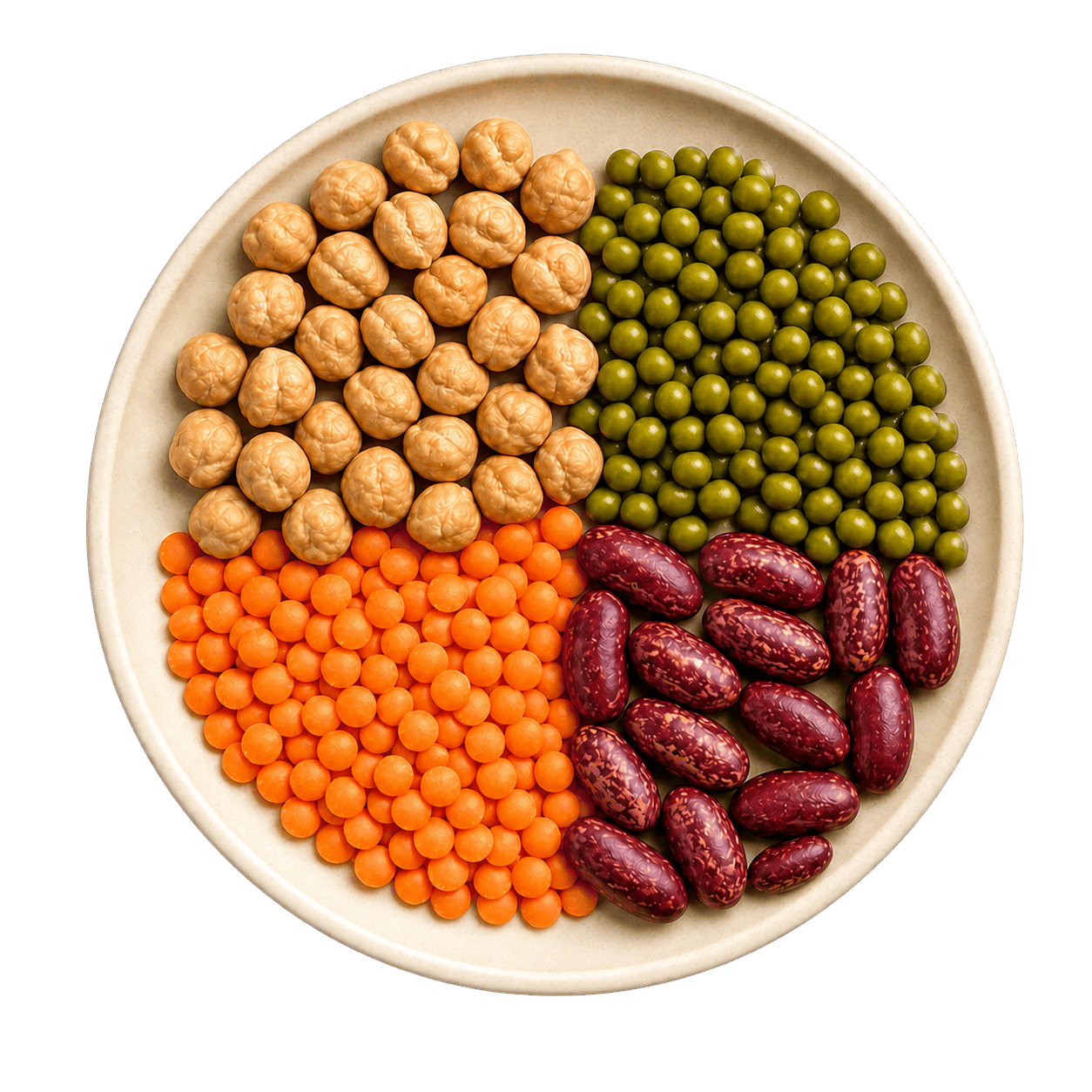
Sample in frame
- Input
- One overhead image
- Method
- Local-first vision
- Output
- Auditable report
What the scanner sees
One photograph.Three useful signals.
KisanScan turns a consistent capture into measurements you can inspect, explain, and compare—without hiding the system's limits.
- 01
Visible quantity
Count the grains in view.
Separate visible pulse instances and return an approximate count with a reviewable detection overlay.
What you receiveCount estimate · confidence · marked image
- 02
Relative dimensions
Compare size and uniformity.
Measure the visible footprint of each grain to reveal size distribution and consistency within the sample.
What you receiveRelative size · spread · consistency signal
- 03
Surface screening
Spot visual irregularities.
Inspect colour, shape, broken pieces, and visible surface variation without pretending a photograph can see inside.
What you receiveVisual outliers · warnings · capture notes
Simple field workflow
From tray to reportin three clear steps.
- 01
Spread
Place a representative sample in one thin layer on a plain, matte surface.
- 02
Photograph
Capture one clear, top-down image in soft, even light with the full sample visible.
- 03
Review
Read the measurements, inspect the overlay, and use the evidence in your mandi decision.
Four checks for a good photo
- Plain contrasting surface
- Empty margin around grains
- One thin, separated layer
- Straight overhead, even light
Inside KisanScan
Scan it.Keep it. Improve it.
- 01
Scan
Upload one photo and get a visual report: the marked image, the measurements and any capture warnings.
Scan a sample - 02
Reports
Every scan stays in your account, so you can reopen the evidence and compare samples later.
Open reports - 03
Dataset
Join the guided toor dal photo collection. Each photo is reviewed by hand before it can train future models.
Join the dataset
Clear measurement limits
Useful now.Honest by design.
A photograph is excellent for visible screening. Physical properties still require sensors, weighing, or laboratory methods.
Image report
Visible evidence today
- Approximate visible count
- Relative size and uniformity
- Colour and shape consistency
- Capture-quality warnings
Hardware later
Physical evidence next
- Total weight and density
- Moisture measurement
- Internal damage detection
- Calibrated grading workflows
Have a pulse sample ready?